
Description: Discover how mini Highland cattle can fit on small acreage. Learn about pasture, space, fencing, shelter, feeding, water, care, and buying considerations.
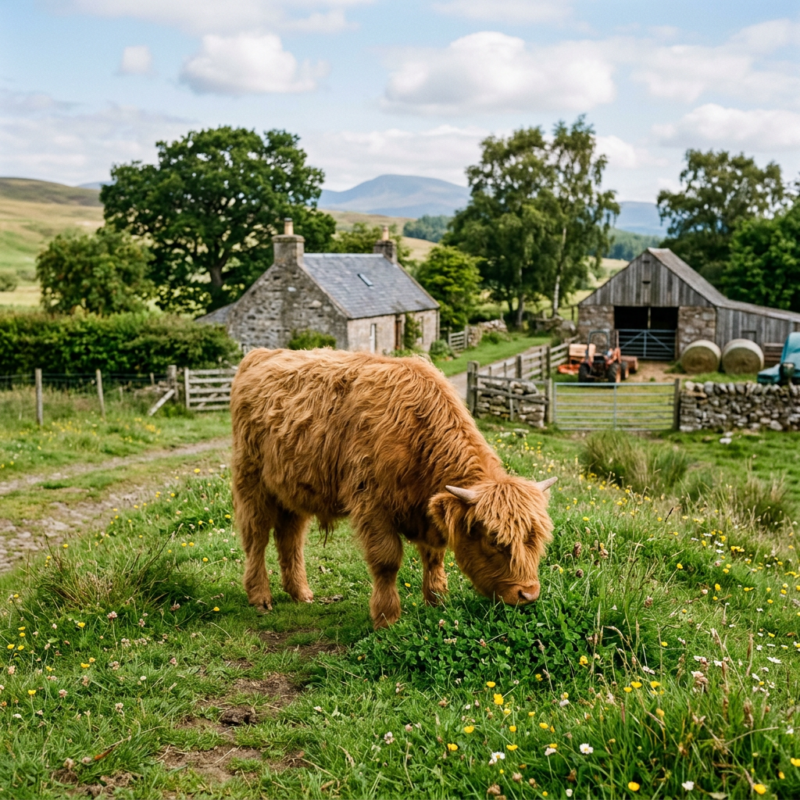
Are Mini Highland Cattle Suitable for Small Acreage?
For many homesteaders and hobby farmers, owning cattle is an exciting goal. However, limited land can make choosing the right cattle particularly important. This is where mini Highland cattle for small acreage may be worth considering.
Mini Highland cattle have the distinctive appearance of Highland cattle, including their long coats and horns, while being bred within smaller size classifications. Consequently, they can appeal to people who want cattle on a smaller farm or homestead.
However, smaller cattle still have the basic needs of livestock. Therefore, acreage alone should never be the only factor when deciding whether cattle are suitable for your property.
Before bringing cattle home, you should consider pasture quality, stocking levels, fencing, shelter, water, forage, handling facilities, veterinary care, and local livestock regulations.
Mini Highland Cows for Small Farms
hy Choose Mini Highland Cattle for Small Acreage?
One reason people consider miniature Highland cattle for small acreage is their appeal to small-farm owners who may not want to manage a large commercial cattle operation.
For example, a properly prepared small property can provide:
- Grazing areas
- Secure fencing
- Clean drinking water
- Shelter and shade
- Hay or other appropriate forage when pasture is insufficient
- Safe handling areas
- Veterinary access
Moreover, Highland cattle are known for their distinctive long coats and ability to live in a variety of environments when properly managed.
Nevertheless, every property is different. Soil quality, rainfall, forage production, climate, drainage, animal numbers, and pasture management can all affect how many cattle a particular piece of land can support.
Therefore, rather than relying on a universal acreage number, evaluate your land based on its actual forage production and local conditions.
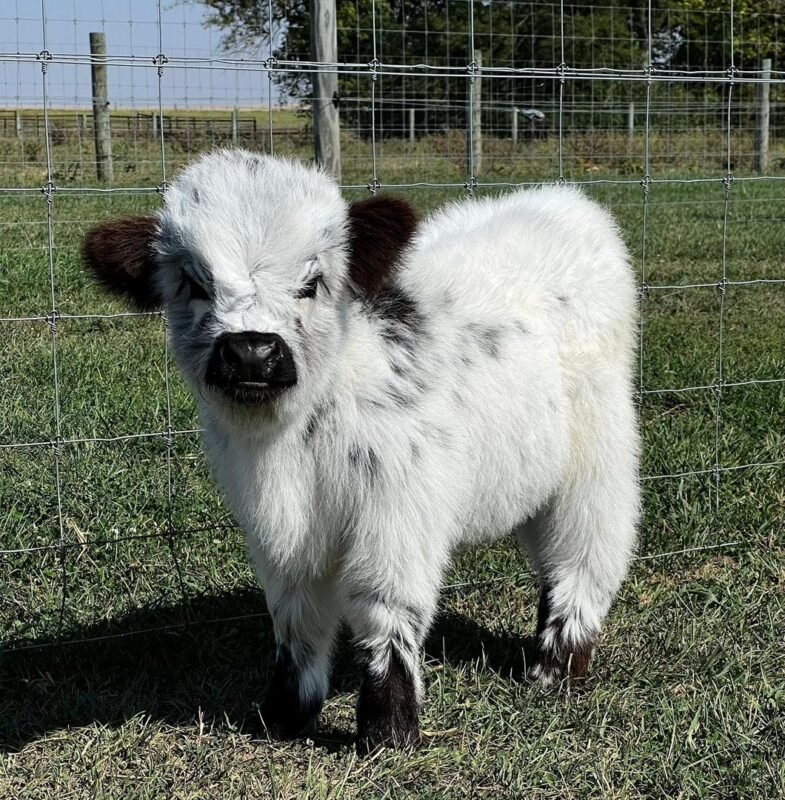
How Much Land Do Mini Highland Cattle Need?
One of the most common questions from prospective owners is, “How much land do mini Highland cattle need?”
The answer is not exactly the same for every farm.
A small acreage property with productive pasture may support livestock differently from dry, rocky, overgrazed, or low-productivity land. In addition, the number of animals, seasonal rainfall, forage species, supplemental hay, and grazing management can significantly change the amount of land required.
For that reason, avoid choosing cattle numbers based solely on an acreage-per-animal formula.
Instead, conside
- Pasture Quality
Healthy, productive pasture can provide more forage than poor-quality land. Therefore, evaluate what your land actually produces throughout the year.
- Grazing Management
Rotational grazing can help prevent one area from becoming continuously overgrazed. Furthermore, dividing a property into paddocks can make pasture management easier.
- Seasonal Changes
Pasture production can change considerably throughout the year. Consequently, a property that provides plenty of forage during one season may require supplemental hay during another.
- Number of Cattle
Naturally, two cattle require fewer total resources than a larger herd. Therefore, livestock numbers should match your property’s available forage and management capacity.
Mini Highland Cow Space Requirements
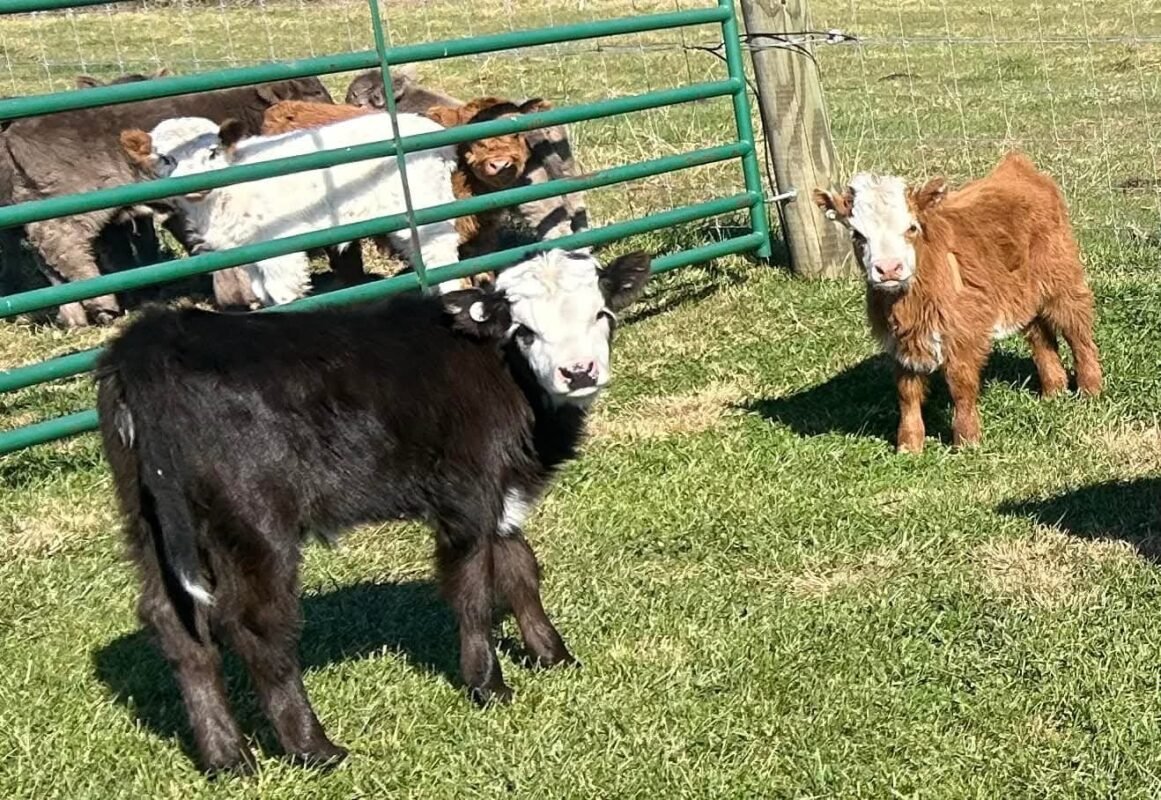
Fencing for Mini Highland Cattle on Small Farms
Secure fencing is essential regardless of property size.
Even when you have small Highland cattle for homesteads, you should not assume that a small animal cannot create problems if fencing is inadequate.
Your fencing should:
- Clearly contain the animals
- Keep gates securely closed
- Prevent access to unsafe areas
- Provide safe boundaries around roads and neighboring properties
- Allow convenient access for feeding and handling
Furthermore, gates should be checked regularly because damaged posts, loose wires, broken latches, and weak sections can eventually create escape points.
For a new farm setup, consider discussing fencing options with a local agricultural professional who understands cattle management and your area’s conditions.
Mini Highland Cow Care Guide: Feeding, Shelter, Health & Grooming
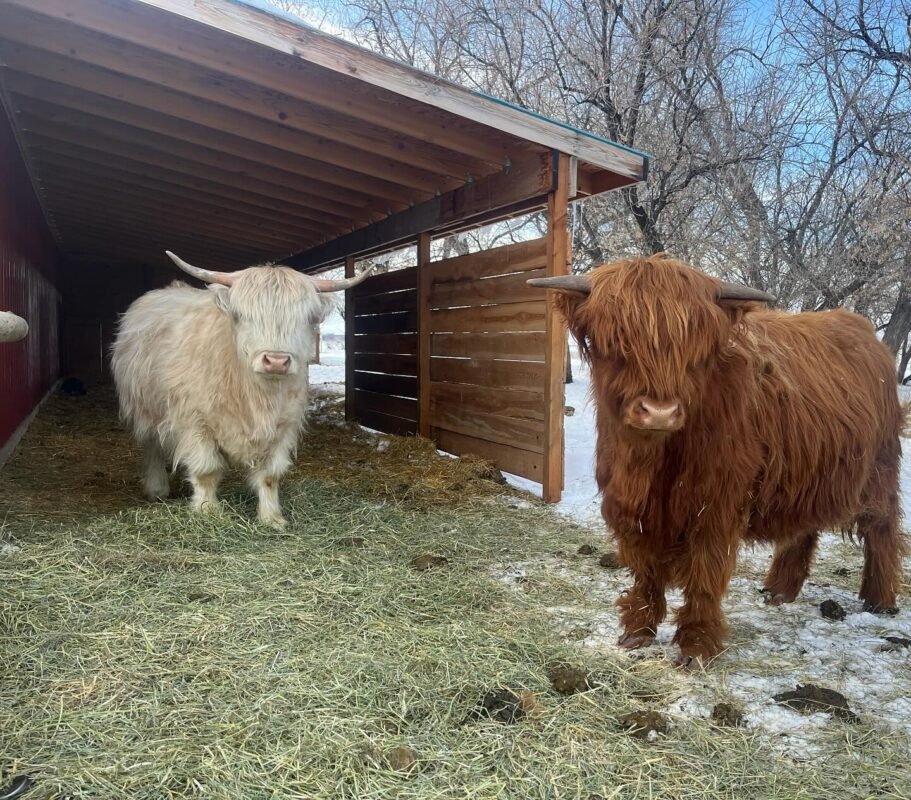
Shelter and Shade for Mini Highland Cattle
Another important consideration for mini Highland cattle for small acreage is protection from weather.
Highland cattle have a naturally heavy coat, but that does not mean they should be left without protection.
A well-planned property should provide access to appropriate shelter and, depending on the climate, shade and protection from extreme weather.
For example, your setup may include:
- A three-sided shelter or appropriate livestock shed
- Dry resting areas
- Protection from strong winds
- Shade during hot weather
- Good drainage around shelter areas
- Safe access to water
Additionally, avoid creating constantly muddy areas around feeding and watering points. Good drainage can help keep the environment cleaner and more comfortable.
Mini Cows on Small Acreage
Feeding is another major part of responsible cattle ownership.
Pasture and forage availability should be assessed according to the animal’s age, size, condition, production status, and local conditions.
Depending on the season and pasture availability, cattle may need additional forage such as hay.
You should also provide reliable access to clean drinking water.
However, avoid assuming that every animal requires the same feeding program. Calves, pregnant cows, growing cattle, and mature animals can have different nutritional needs.
Therefore, work with a veterinarian, livestock nutritionist, or qualified agricultural professional when creating a feeding program.
⸻
Are Mini Highland Cattle Good for Small Farms?
For the right owner, mini Highland cattle for small acreage can be an attractive livestock option.
They may appeal to:
- Hobby farmers
- Homesteaders
- Small-acreage livestock owners
- Families interested in cattle
- Owners looking for smaller cattle
- People interested in Highland cattle
Nevertheless, their smaller size does not eliminate the responsibilities of cattle ownership.
You still need to plan for:
Pasture → Fencing → Water → Shelter → Feed → Veterinary Care → Handling → Transportation
As a result, the best small-acreage cattle setup is one that is planned around the animals’ actual needs rather than simply the size of the property.
What Should You Check Before Buying Mini Highland Cattle?
Before purchasing mini Highland cows for small farms, ask the breeder detailed questions.
For example:
- What are the parents’ sizes and breeding backgrounds?
- What is the animal’s age?
- What is its current health status?
- What vaccinations or veterinary care has it received?
- What is its current feeding program?
- Has it been handled regularly?
- What is its expected mature size?
- Are registration or pedigree documents available, if applicable?
- What transportation arrangements are available?
- What care should continue after arrival?
Additionally, remember that terminology such as mini, micro or other size labels can be used differently by breeders. Therefore, ask for specific information about the animal rather than relying on a label alone.
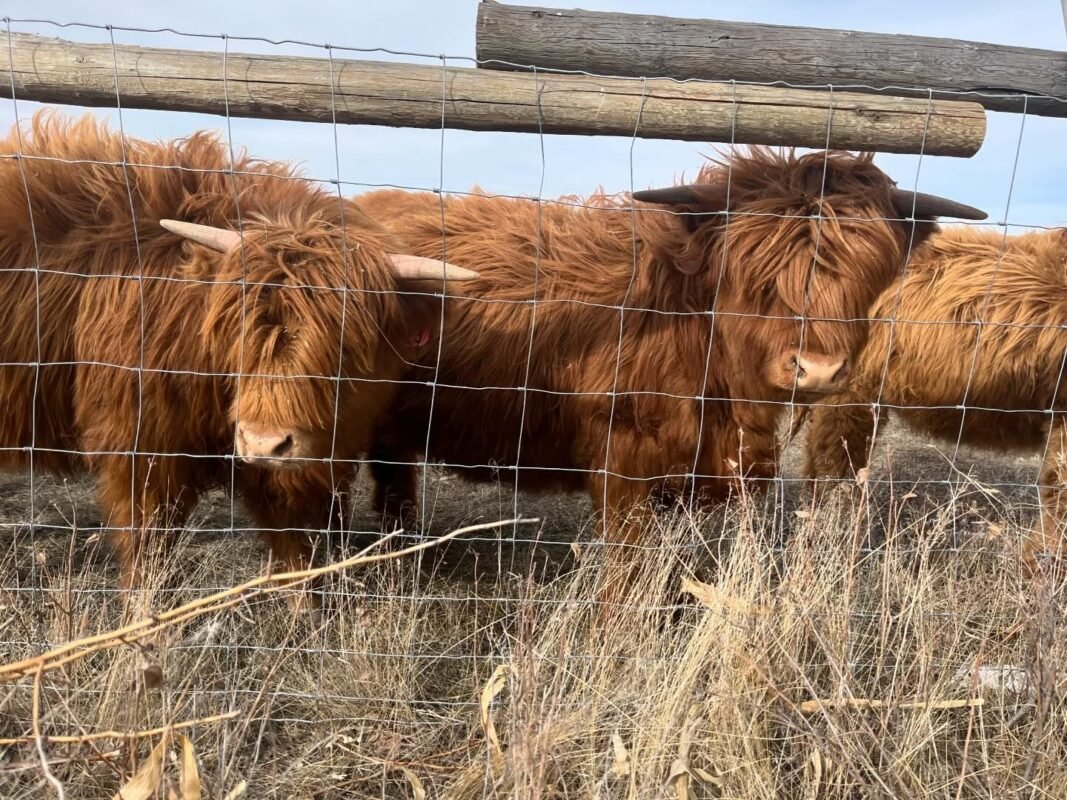
Transportation and Health Considerations
If you are purchasing cattle from another state or arranging long-distance transportation, check the applicable animal-movement requirements before the animal is shipped.
In the United States, interstate cattle movement requirements can depend on the class of cattle, purpose of movement, identification requirements, and destination-state rules. Some cattle movements may require official identification and veterinary documentation, while exemptions can apply. (APHIS)
USDA APHIS — Interstate Movement of Cattle and Other Livestock
Preparing Your Small Acreage Before the Cattle Arrive
Before bringing your new animal home, complete a basic property checklist.
Small-Acreage Cattle Checklist
☐ Secure perimeter fencing
☐ Strong and safe gates
☐ Reliable clean water
☐ Appropriate shelter
☐ Shade where needed
☐ Adequate pasture
☐ Hay storage or supplemental forage plan
☐ Safe handling area
☐ Veterinary contact
☐ Transportation plan
☐ Local livestock/zoning requirements checked
☐ Emergency contact information
Furthermore, walk the entire property before the cattle arrive.
Look for loose fencing, poisonous plants, holes, sharp objects, unsafe machinery, deep mud, unsecured gates, and other potential hazards.
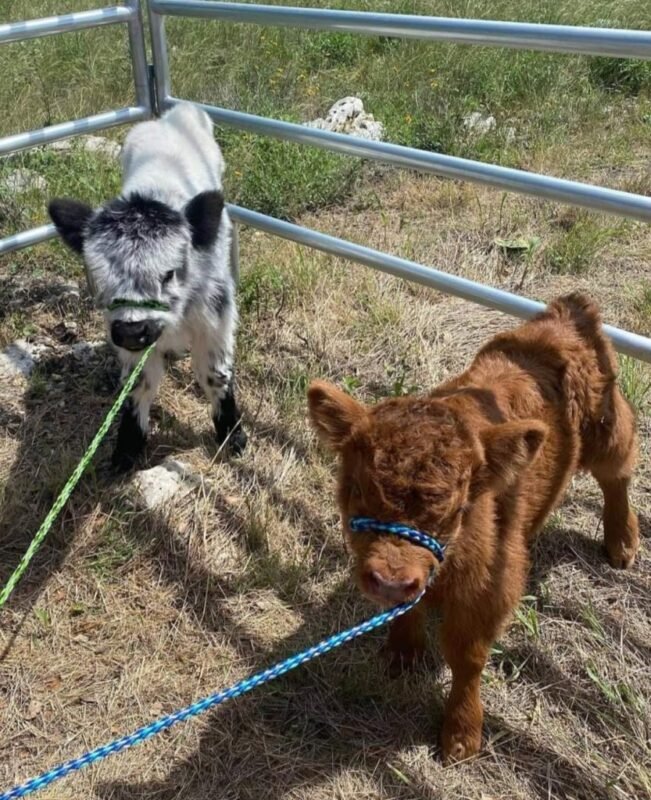
Final Thoughts on Mini Highland Cattle for Small Acreage
Mini Highland cattle for small acreage can be an appealing choice for homesteaders and hobby farmers who want to raise cattle on a smaller property.
However, successful ownership depends on much more than acreage.
Pasture quality, forage availability, fencing, shelter, water, feeding, animal numbers, veterinary care, handling, and local regulations all matter. Therefore, carefully evaluate your property before purchasing cattle.
Most importantly, choose animals that fit your land, management abilities, and long-term goals.
If you are looking for mini Highland cattle for small farms, take time to understand the animal, prepare your property, and ask the breeder detailed questions before making your decision.
Ready to Find Your Mini Highland Cattle?
If you’re planning a small farm or homestead, explore available animals and learn more about caring for miniature Highland cattle.
Explore Available Mini Highland Cows and Calves
[Learn More About Mini Highland Cow Care]
Contact Highland Mini Cows Breeder
Mini Highland cattle can be a rewarding addition to the right small-acreage farm — when the land, facilities, nutrition, and care plan are prepared first.