
Description
Discover how Mini Highland calves for small farms can fit into a hobby farm or homestead. Learn about space, fencing, feeding, shelter, water, care, and buying considerations.
Why Are Mini Highland Calves Considered for Small Farms
Mini Highland calves for small farms, Mini Highland calves for small acreage, Miniature Highland calves, Mini Highland calves for homesteads.
Available Mini Highland Cows and Catle
American Highland Cattle Association
Mini Highland calves for small farms can be an appealing option for people who want to raise cattle on a smaller property, hobby farm, or homestead. Their distinctive Highland appearance, fluffy coats, and compact size can make them attractive to people who want to add cattle to a small-scale farming operation.
However, prospective owners should remember that a Mini Highland calf is still livestock and requires appropriate care. A smaller calf does not eliminate the need for suitable pasture, fencing, shelter, clean water, proper nutrition, veterinary care, and safe transportation.
Therefore, the decision to purchase a Mini Highland calf should be based on whether the farm can meet the animal’s needs throughout the year.
Before the calf arrives, the owner should prepare a safe area where it can settle in comfortably. Furthermore, the farm’s pasture, fencing, water supply, shelter, feeding plan, and veterinary arrangements should be considered in advance.
For this reason, Mini Highland calves for small farms should be viewed as livestock requiring responsible management rather than simply as cute farm companions.
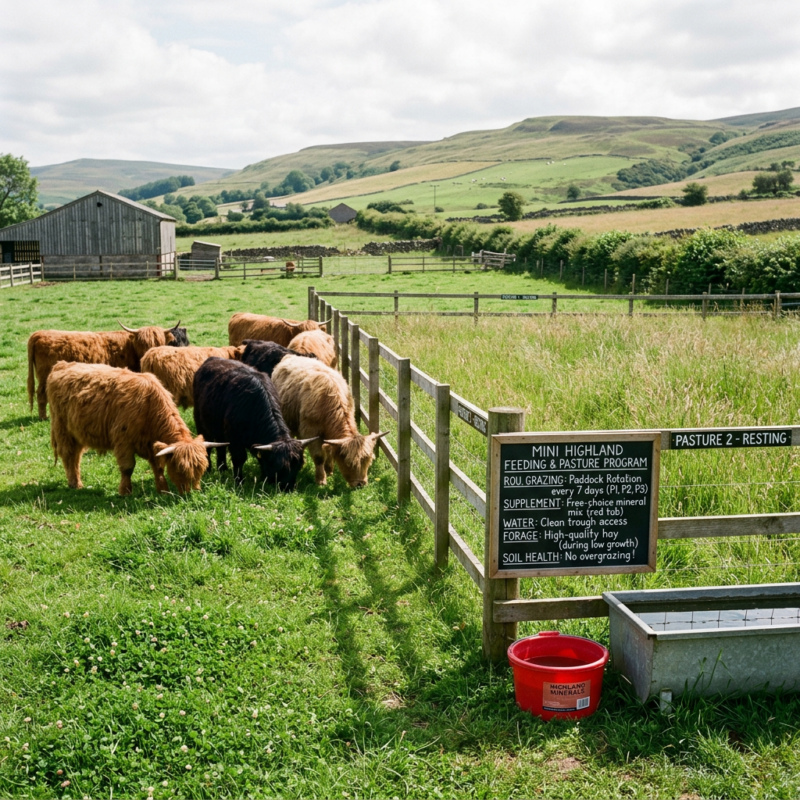
What Are the Space Requirements for Mini Highland Cows?
Understanding Mini Highland cow space requirements is one of the first things to consider before bringing cattle onto a small farm, hobby farm, or homestead.
Mini Highland cattle can be appealing to owners who have less acreage than a large commercial livestock operation. Their smaller size and distinctive Highland appearance make them particularly attractive to small-scale farmers. However, smaller cattle are still livestock and need appropriate space, nutrition, water, fencing, shelter, and veterinary care.
First, the amount of land required should be considered in relation to the quality of the available pasture. Soil, rainfall, climate, forage production, grazing management, and the number of animals can all affect how much usable space a property provides.
The American Highland Cattle Association describes Highland cattle as having a moderate frame suitable for both small and large farms and notes their ability to forage in different environments.
Therefore, there is no single acreage number that should automatically be used for every Mini Highland cow.
Instead, the property should be evaluated according to its actual carrying capacity and management system.
Furthermore, owners should think beyond pasture. Practical space must also be provided for fencing, shelter, water, feeding, handling, and safe movement around the property.
For this reason, Mini Highland cow space requirements should be viewed as a complete farm-management question rather than simply a measurement of pasture acreage.
Mini Highland Cows and Calves
SMALL FARM PASTURE
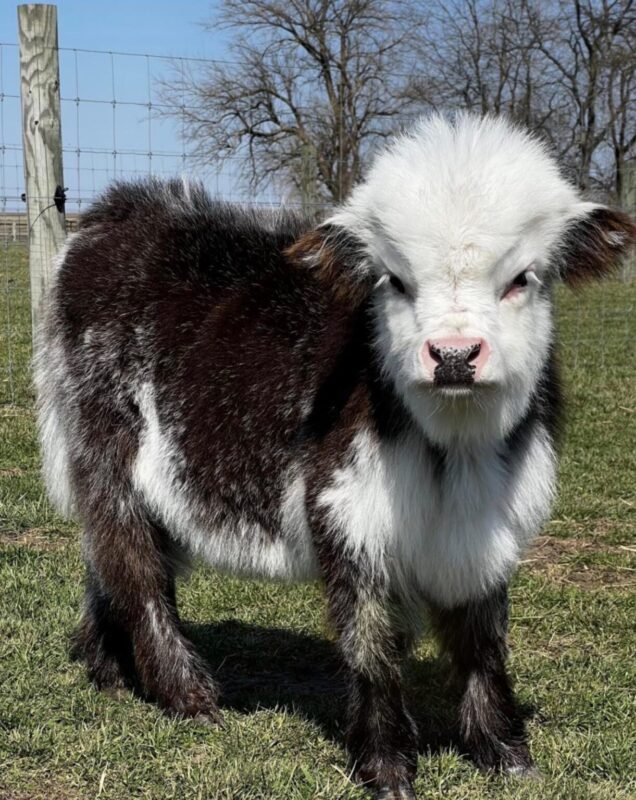
How Much Land Do Mini Highland Cows Need
When researching Mini Highland cow land requirements, one of the most important points to understand is that land quality can be more important than acreage alone.
Pasture Quality Matters
First, evaluate the quality and productivity of the pasture.
Although miniature Highland cattle for small acreage may be suitable for some small-farm situations, there is no universal acreage recommendation that applies to every property.
For example, land with productive forage and favorable growing conditions may provide substantially more grazing opportunity than dry, poor-quality, or heavily used pasture.
Consequently, stocking decisions should be based on local pasture conditions and, when necessary, professional agricultural guidance.
Pasture Management
In addition, pasture management can help make better use of available land.
Depending on the property, management may include:
- Rotating grazing areas
- Allowing pasture to rest
- Monitoring forage growth
- Preventing overgrazing
- Providing supplemental hay when needed
- Adjusting stocking levels
- Maintaining healthy soil and forage
However, pasture should not be pushed beyond its ability to support the animals.
If forage becomes limited, additional feed or a change in grazing management may be necessary.
Avoid Overstocking
A smaller cow does not automatically mean that a property can support an unlimited number of animals.
Most importantly, owners should avoid basing stocking decisions solely on the fact that Mini Highland cattle are smaller.
The right number of animals depends on the available forage, weather conditions, management system, and other farm resources.
As a result, regular pasture observation should form part of responsible livestock management.
What Other Space Do Mini Highland Cows Need?
Mini Highland cattle space requirements involve more than pasture.
A well-prepared farm should also provide appropriate fencing, shelter, water, feeding areas, and handling space.
Fencing
First, secure fencing should be established before cattle arrive.
Gates should close securely, weak fence sections should be repaired, and potentially dangerous objects should be removed from areas where cattle will graze or rest.
Furthermore, fencing should be appropriate for cattle and maintained regularly.
Good fencing can make everyday management easier and help reduce the risk of animals escaping.
Shelter and Weather Protection
In addition, suitable shelter or natural protection should be available.
Highland cattle have a distinctive double hair coat and are known for their hardiness.
Nevertheless, owners should still plan for local weather conditions. Shade and protection from severe weather can be particularly important depending on the climate.
A dry resting area can also improve the overall management environment.
Clean Water
Reliable access to clean water is another essential part of the farm setup.
Water sources should be checked regularly, and troughs or containers should be kept clean.
Especially during hot weather, owners should pay close attention to water availability.
Handling Space
Moreover, a small farm should have enough practical space to safely handle cattle.
Handling areas can be useful for:
- Veterinary examinations
- Hoof care
- Vaccinations
- Routine health checks
- Transportation
- Moving cattle between areas
Therefore, when planning Mini Highland cow space requirements, remember to include working areas in addition to pasture.
FARM SETUP
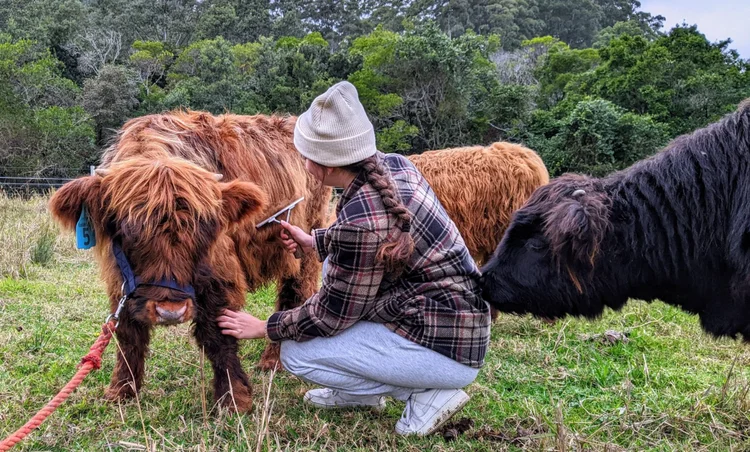
How Can Mini Highland Cows Fit Into a Hobby Farm or Homestead?
For many owners, Mini Highland cows for homesteads can be an attractive option for a small-scale livestock operation.
However, the property should be managed according to its actual resources rather than simply according to the size of the cattle.
Manage Space Carefully
A small farm should not be overstocked simply because Mini Highland cattle are smaller.
Instead, pasture condition should be monitored throughout the year.
When forage becomes limited, owners may need to adjust grazing areas, provide hay, or review the number of animals being maintained.
As a result, good pasture management can help protect both the animals and the land.
Provide Safe Handling Facilities
Furthermore, handling facilities can make livestock management much easier.
Veterinary examinations, hoof care, transportation, and other routine procedures are safer when cattle can be moved through an appropriate handling area.
Calm and consistent handling should also be encouraged.
Consider Social Needs
Cattle are social animals, so their social and management needs should be considered when deciding how many animals to keep.
Ultimately, the right setup depends on the property’s available resources, the owner’s goals, local conditions, and ability to provide consistent care.
MINI HIGHLAND COW WITH OWNER
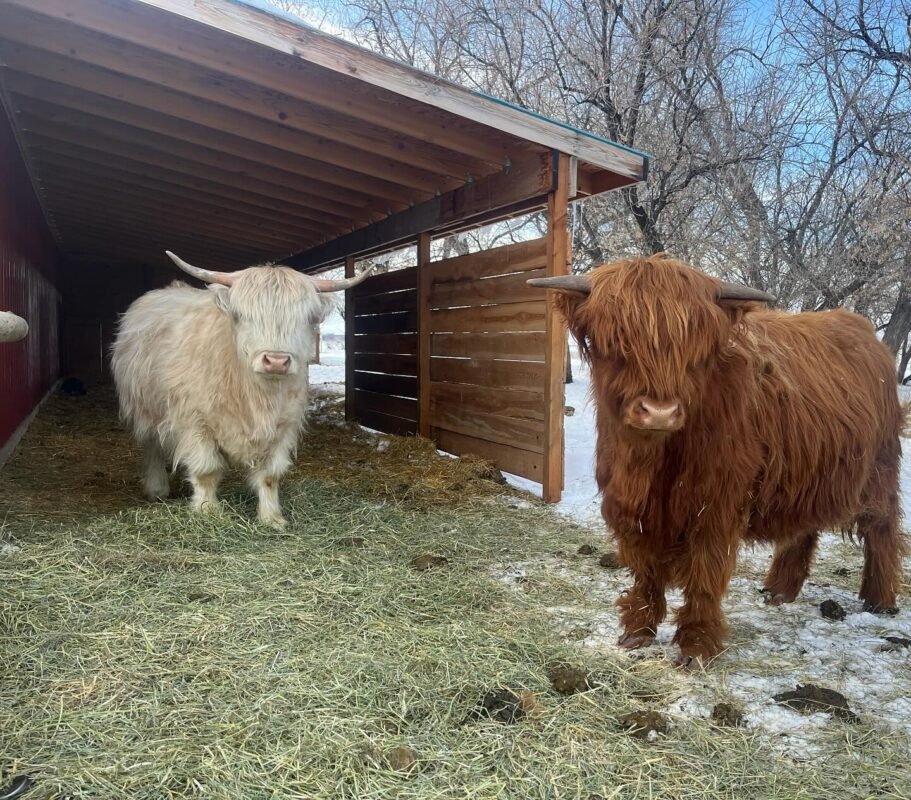
How Can Mini Highland Cows Fit Into a Hobby Farm or Homestead?
For many owners, Mini Highland cows for homesteads can be an attractive option for a small-scale livestock operation.
However, the property should be managed according to its actual resources rather than simply according to the size of the cattle.
Manage Space Carefully
A small farm should not be overstocked simply because Mini Highland cattle are smaller.
Instead, pasture condition should be monitored throughout the year.
When forage becomes limited, owners may need to adjust grazing areas, provide hay, or review the number of animals being maintained.
As a result, good pasture management can help protect both the animals and the land.
Provide Safe Handling Facilities
Furthermore, handling facilities can make livestock management much easier.
Veterinary examinations, hoof care, transportation, and other routine procedures are safer when cattle can be moved through an appropriate handling area.
Calm and consistent handling should also be encouraged.
Consider Social Needs
Cattle are social animals, so their social and management needs should be considered when deciding how many animals to keep.
Ultimately, the right setup depends on the property’s available resources, the owner’s goals, local conditions, and ability to provide consistent care.
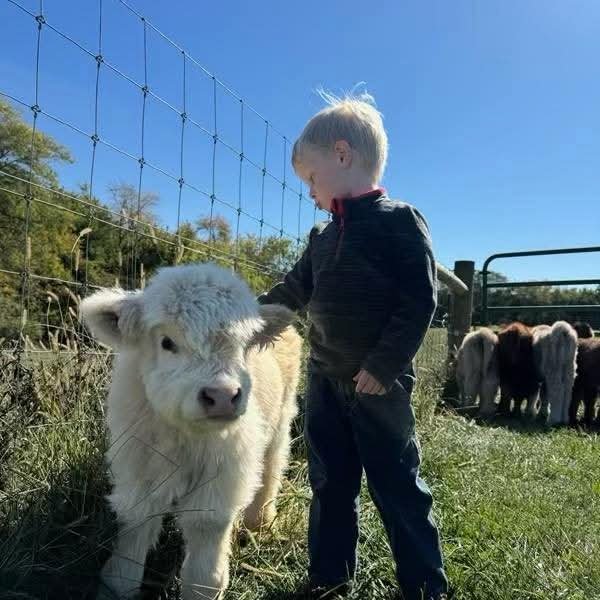
What Should You Check Before Buying Mini Highland Cattle?
Before purchasing Mini Highland cattle for a small farm, it is important to consider whether the property can provide appropriate space and long-term care.
Questions to Ask a Breeder
First, prospective owners should ask about:
- The animal’s age
- Current weight and condition
- Current feeding program
- Health history
- Veterinary care
- Vaccination records
- Handling experience
- Parents and background
- Current living conditions
- Transportation arrangements
Additionally, ask what type of environment the animal has previously lived in. Knowing its existing feeding and management routine can make the transition to a new farm easier.
Importantly, buyers should not choose an animal based only on appearance or price.
Health, temperament, background, management history, and suitability for the intended farm should all be considered.
View Available Mini Highland Cows and Calves
Transportation Requirements
Transportation should be planned before the purchase is finalized.
For interstate cattle movement in the United States, USDA APHIS explains that requirements can include official identification and movement documentation, with specific requirements depending on the type of cattle and movement circumstances. States may also have additional requirements.
Therefore, buyers should confirm current requirements with the appropriate state animal-health authority and an accredited veterinarian before transportation is arranged.
Interstate Animal Movement Requirements
USDA APHIS — Animal Disease Traceability
Finally, transportation should be planned around the animal’s welfare, safety, and applicable regulations.
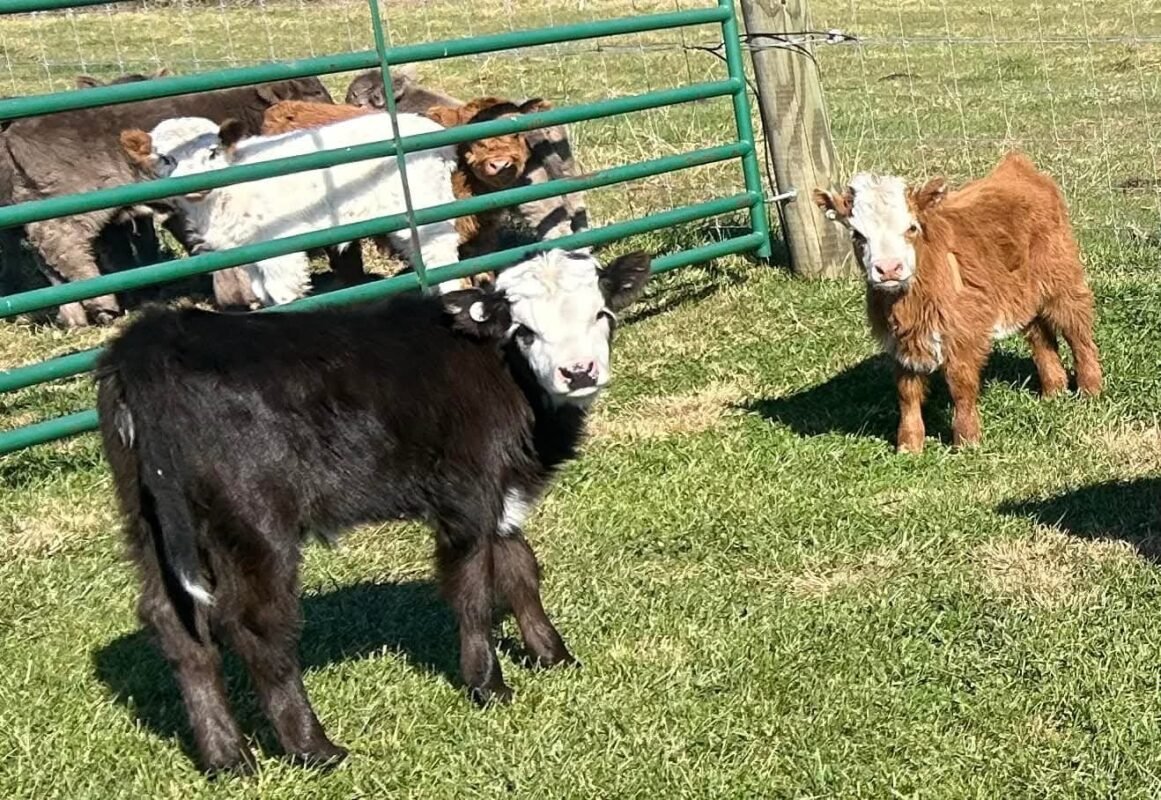
Final Thoughts: Understanding Mini Highland Cow Space Requirements
In conclusion, understanding Mini Highland cow space requirements is an important step for anyone considering cattle for a small farm, hobby farm, or homestead.
However, there is no single acreage figure that can be applied to every Mini Highland cow.
Instead, prospective owners should consider:
Farm Space Checklist
✅ Pasture quality
✅ Land carrying capacity
✅ Number of cattle
✅ Fencing
✅ Shelter and shade
✅ Clean water
✅ Feeding areas
✅ Handling facilities
✅ Veterinary access
✅ Transportation arrangements
✅ Local livestock regulations
✅ Long-term management resources
Furthermore, pasture conditions can change throughout the year. Weather, drought, seasonal growth, and stocking pressure can all affect the amount of forage available.
Therefore, owners should monitor the property regularly and adjust their management plan when necessary.
Ultimately, the best farm is not necessarily the farm with the largest acreage. It is the farm where the animals can be safely housed, properly fed, responsibly managed, and cared for throughout the year.
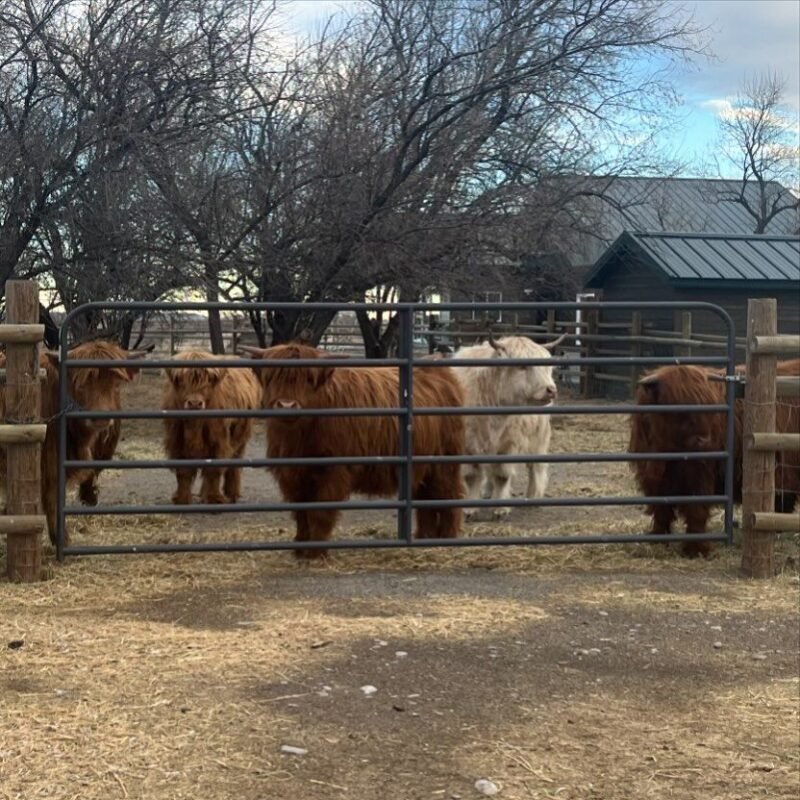
Ready to Find Your Mini Highland Cow
If you are researching Mini Highland cow space requirements because you are preparing to purchase cattle, take time to prepare your property first.
Make sure you have appropriate pasture, secure fencing, shelter or weather protection, clean water, suitable feeding arrangements, and safe handling facilities.
Explore Available Mini Highland Cows
Learn More About Highland Care
Contact Highland Mini Cows Breeder
Before choosing an animal, consider whether your property and resources can support its needs throughout the year.
Your next Mini Highland cow could be a wonderful addition to your farm or homestead—but the best choice is an animal that can be properly housed, fed, managed, and cared for throughout its life.