It’s the question we get more often than any other: “Can a mini Highland cow really be a pet?”
The honest answer is yes — but probably not in the way most people imagine when they ask the question. Mini Highland cows are remarkable companion animals. They’re calm, curious, affectionate, and many of the families who place one with us refer to them as part of the family within the first year. But they’re also still cattle — large animals with specific needs, real costs, and genuine commitments that look nothing like dog or cat ownership.
This guide gives you the honest answer. Not the marketing version. We’ve placed mini Highland calves with hundreds of families since 2014, and the ones who thrive long-term are the ones who went in understanding both sides of the answer. The ones who struggle are usually the ones who expected something the breed was never going to be.
If you’re at the very start of your research, The Complete Guide to Owning a Mini Highland Cow covers the broader picture. This article focuses specifically on the pet question.
What’s in This Guide
- The Honest Answer: Yes, With Caveats
- What Mini Highlands Are Actually Like as Companions
- What They’re Not (And Why That Matters)
- Who Mini Highland Cows Suit Best as Pets
- Who Should Probably Choose a Different Animal
- The Realities of “Pet” Ownership
- Building the Bond: How to Get the Pet Experience Most People Want
- Frequently Asked Questions
1. The Honest Answer: Yes, With Caveats
Mini Highland cows can absolutely be wonderful pets — for the right person, in the right setting, with the right expectations. They form genuine attachments to their people, recognize family members, learn names and routines, and many show personality and affection in ways that genuinely surprise first-time owners.
But here’s the caveat that matters: a mini Highland cow is a pet in the way a horse is a pet, not in the way a dog is a pet. They live outside on pasture, not inside the house. They need at least one companion animal, not just a human family. They require daily care, regardless of weather, mood, or schedule. They live 15 to 22 years — longer than most dogs. And they cost meaningfully more to keep, both upfront and annually.
Get those expectations right and you’ll have a deeply rewarding relationship that lasts decades. Get them wrong, and you’ll struggle with the gap between what you thought ownership would feel like and what it actually is.
Even the long-established small-cattle community recognises this distinction — many breeders affectionately refer to mini Highlands as “pasture pets” rather than household pets, because that framing tells the truth without diminishing what these animals can be.
2. What Mini Highlands Are Actually Like as Companions
The day-to-day reality of life with a mini Highland is a real surprise to many first-time owners — in the best way. Here’s what consistently shows up in the families we’ve placed calves with.
Mini Highlands raised with daily human handling develop real attachments to their people. They recognize cars pulling into the driveway. They learn names. They come when called (some, eventually). They seek out the family members they trust most for scratches and attention. Many owners describe their mini Highland as “more like a dog” than a typical farm animal — and while they’re still very much cattle, the bonding behavior really does feel that way.
They’re curious, not skittish
Where most cattle breeds spook, mini Highlands tend to investigate. A new object in the paddock? They walk over to check it out. A visitor approaches the fence? They wander up to say hello. This curiosity is a big part of what makes them feel companionable rather than herd-like.
Their personalities are individual
Just like dogs, every mini Highland has its own character. Some are bold and food-motivated, the first to greet anyone who arrives. Some are shyer and pick one or two favorite people. Some are playful well into adulthood. Some are dignified and aloof in the best Scottish way. This individuality is part of why owners get so attached — you’re not “raising cattle,” you’re getting to know this cow.
Mini Highlands have been selectively bred for calm temperament for centuries. Even compared to other cattle breeds (most of which are quite calm), Highlands stand out. They tolerate handling, accept new people slowly but without panic, and rarely show the reactive or defensive behavior that makes other large livestock unpredictable. We cover this in detail in Mini Highland Cow Temperament: What to Expect.
They thrive on routine and presence
The most rewarding thing about owning a mini Highland is the slow accumulation of moments — daily check-ins, brushing sessions, walking alongside them across the pasture. They settle into routines and reward attention with engagement. The relationship deepens over years, not weeks.
3. What They’re Not (And Why That Matters)
Here’s where we have to be direct, because every problem we’ve ever seen with a mini Highland placement traces back to a mismatch between expectation and reality. None of these are reasons to avoid the breed — they’re reasons to go in with eyes open.
They’re not house pets
Despite the viral videos of calves on furniture, a mini Highland adult belongs outside on pasture. They weigh 500–800 pounds at maturity. They produce significant manure. They don’t house-train in any meaningful sense. The handful of “indoor cow” videos online represent a few weeks of calf cuteness, not a sustainable arrangement.
They can’t be alone
Mini Highlands are herd animals — meaning they’re emotionally and behaviourally wired to need company of their own kind. A single mini Highland kept without a companion (another bovine, or in some cases another livestock animal like a goat) will become stressed, vocal, and sometimes destructive. Plan for at least two from the start.
They require real infrastructure
Pet ownership for most people means food, vet visits, and basic care. Mini Highland ownership requires fencing, shelter, water systems, hay storage, fly control in summer, ice management in winter, and pasture management year-round. The infrastructure cost in the first year often exceeds the purchase price of the animal itself.
They cost more than most pets
Annual upkeep typically runs $1,200–$3,800 per animal in 2026 — meaningfully higher than dog or cat ownership. Add a one-time setup cost of $1,500–$6,000 for fencing, shelter, and equipment if you’re starting from scratch. Full breakdown in Mini Highland Cow Annual Costs and How Much Does a Mini Highland Cow Cost?
They live a long time
15–22 years is a real long-term commitment. That’s longer than most dogs, comparable to many cats, and longer than the typical living situation, job, or even relationship. Honest planning matters — see How Long Do Mini Highland Cows Live?
They’re livestock, legally and practically
Most U.S. zoning ordinances classify cattle — including mini Highlands — as livestock, not pets. This affects what kind of property you can keep them on, what insurance applies, what veterinarians will treat them, and how local regulations apply. Always check local zoning before committing.
4. Who Mini Highland Cows Suit Best as Pets
Mini Highlands make exceptional companion animals for a specific kind of owner. If most of these describe you, the breed is likely an excellent fit.
- You have at least an acre of usable land. More is better, but a well-managed half-acre per animal can work in good pasture climates.
- You’re in a rural or rural-adjacent setting with appropriate zoning for livestock.
- You’re home most days, or someone in your household is. Daily care isn’t optional.
- You’re willing to commit financially to setup costs and ongoing care.
- You enjoy slow, steady relationships rather than the immediate intensity of dog ownership.
- You have realistic expectations about what livestock care looks like — daily, seasonally, in bad weather.
- You’re emotionally prepared for a 15–20 year commitment to an animal that will go through its own life stages on your land.
- You can or want to keep at least two animals. Mini Highlands need company.
- You appreciate animals that are beautiful and present rather than animals that ride in cars and sleep on the couch.
5. Who Should Probably Choose a Different Animal
If most of these describe you, a mini Highland probably isn’t the right pet — and there’s no shame in recognizing that before you buy. The wrong pet for the wrong situation is harder on the animal than on the human.
- You travel frequently for work or pleasure. Cattle don’t have a “boarding” option the way dogs do.
- You live in a suburban or urban setting without appropriate zoning or land.
- You want an animal that lives in the house and is part of daily indoor life.
- You’re not financially prepared for unexpected vet bills running $500–$2,000+.
- You can only commit to one animal. Mini Highlands genuinely need company.
- You want a “low-effort” pet. They’re lower-maintenance than most cattle, but they’re not low-effort by pet standards.
- You’re not sure where you’ll be living in 5–10 years. Moving cattle is logistically complex and emotionally hard on the animal.
- You want a guard animal, an emotional support animal in the formal sense, or a working animal. Mini Highlands are companions, not service animals.
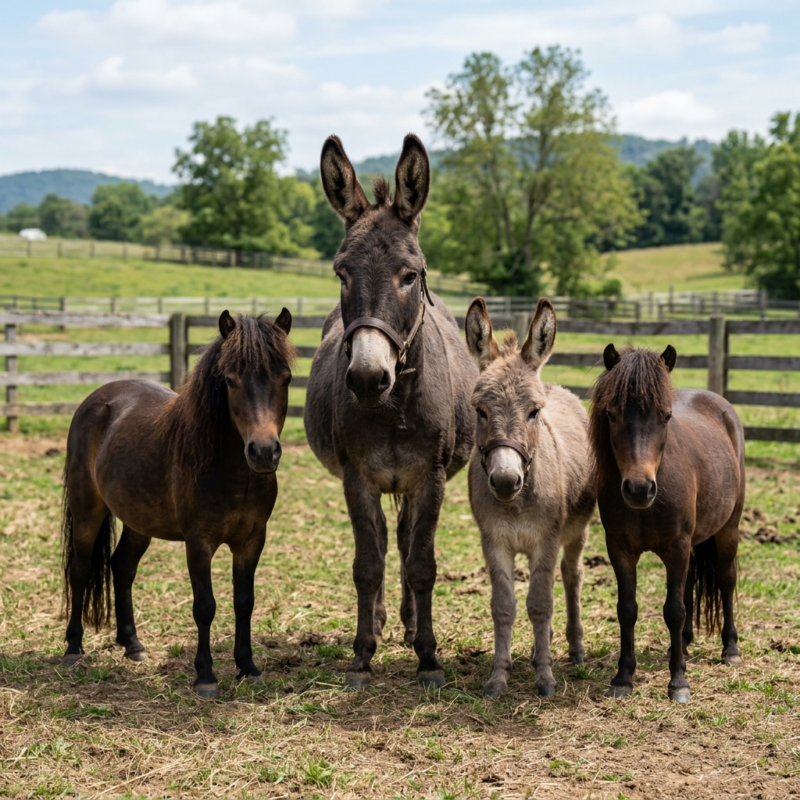
If any of those apply, a different small companion animal — Pygmy or Nigerian Dwarf goats, miniature donkeys, or even highly social farm dogs — might fit your situation better.
6. The Realities of “Pet” Ownership
Let’s walk through what life with a mini Highland actually looks like, day to day and year to year.
Daily reality
Plan for 30–60 minutes of hands-on time daily. Visual health check, water refresh, paddock walk, brief interaction. Some days more — grooming, hoof checks, feeding adjustments — some days less. Every single day. Including holidays. Including when you’re sick. Including when it’s raining. This is the part of ownership most people underestimate.
Seasonal rhythm
Spring brings new grass and the magnesium-deficiency risk that comes with it. Summer means fly management, water vigilance, and shade. Fall is hay buying and pre-winter prep. Winter means more feed, frozen-water vigilance, and watching body condition under heavy coats. The work isn’t the same every season — it changes, and the rhythm becomes part of the satisfaction. Detail in our Winter Care guide.
Emotional reality
Mini Highland ownership is genuinely rewarding — but the rewards are slow and steady, not instant. The first month is often quieter than expected as the animal settles. The second year is usually when the bond fully solidifies. The fifth year, you can’t imagine your life without them. The fifteenth year, you start preparing yourself for a goodbye that’s still years away. The whole arc of ownership is longer and slower than most pet relationships, and that’s part of what makes it different.
The “pet moments”
The reasons people keep mini Highlands as pets — the moments that make it all worth it — show up regularly:
- Brushing them in the late afternoon while they lean into the contact
- Watching them recognize and walk toward you from across the paddock
- The first time a new calf runs up to you on its own
- Sitting on the fence line as they graze, doing nothing in particular
- Visitors meeting them and being delighted by their gentleness
- The rhythm of seasons spent on the same patch of land with the same animal
This is what mini Highland “pet” ownership really is — not couch cuddles, but a kind of slow, grounded companionship that lots of owners describe as one of the best decisions they ever made.
7. Building the Bond: How to Get the Pet Experience Most People Want
Some owners report deep, dog-like bonds with their mini Highlands. Others report calm, friendly animals that don’t quite feel like “pets” in the same way. The difference usually comes down to a few specific things you can influence.
Buy from a hand-raised line
The single biggest factor in pet-quality bonding is whether the calf was hand-raised from birth. Calves handled daily from week one — by the breeder, family members, and visitors — grow into animals that genuinely love human attention. Calves left in pasture with minimal human contact become friendly but reserved. The bonding window starts early and matters enormously. This is one of the things to specifically ask breeders about — see How to Find a Reputable Mini Highland Cow Breeder.
From day one in your care, build daily interaction into the routine. Brush them. Talk to them. Bring them a small treat (sparingly). Halter train them — see our Halter Training a Mini Highland Calf guide. The bond is built in hundreds of small consistent interactions, not big dramatic ones.
Be calm and predictable
Mini Highlands respond beautifully to calm, predictable energy. Loud voices, sudden movements, and chaotic schedules slow trust-building. Gentle, consistent presence accelerates it. This is one reason the breed bonds so well with children who learn to interact respectfully — the animal recognizes the steady pattern.
Don’t skip the hard moments
The bond deepens not just through pleasant interaction, but through the moments of vulnerability — caring for them when they’re sick, being there during difficult vet visits, sitting with them during stress. Animals remember who showed up for them. So do the people doing the showing up.
Give it time
The biggest mistake new owners make is expecting dog-speed bonding. Mini Highland relationships build over months and years. The depth that comes at year five is genuinely different from anything available at month one. The patience pays back many times over.
8. Frequently Asked Questions
Are mini Highland cows actually good pets?
Yes, for the right owner. They’re calm, affectionate, long-lived, and genuinely companionable. But they’re pets in the way a horse is a pet, not in the way a dog is a pet — they live outside, need at least one companion animal, require real infrastructure, and cost more than typical pets. Match those realities to your situation honestly.
Can I keep a mini Highland cow indoors?
Briefly as a young calf for a few weeks at most, no for adult animals. Mini Highlands grow into 500–800 pound animals that produce significant manure and don’t house-train. The viral indoor cow videos online almost always feature young calves; the same animals are outdoors as adults. Plan for outdoor pasture from day one.
Do mini Highland cows recognize their owners?
Yes — and reliably. They learn names, voices, vehicles, and faces. Animals raised with daily handling will recognize their primary caretakers from across a pasture and approach them deliberately. Some go further and develop clear preferences for specific family members.
How much does a mini Highland cow cost as a pet?
Purchase: $2,500–$10,000+ depending on size, sex, and registration. Setup: $1,500–$6,000 for fencing, shelter, water, and equipment. Annual care: $1,200–$3,800 per animal. First-year total typically $5,500–$18,000 per animal. See our complete cost guide.
Can mini Highland cows live with other pets?
Generally yes. They co-exist comfortably with horses, goats, sheep, chickens, and well-trained farm dogs. Aggressive dogs or dogs with strong herding/chasing instincts can stress cattle and should be kept separate. Cats are usually fine but rarely interact much.
Are mini Highlands safe around children?
Generally yes — they’re one of the calmer breeds for families. But all cattle, regardless of breed, require adult supervision around children. Their size alone makes accidents possible even with the gentlest temperament. Full guide in Mini Highland Cows for Families.
Can I get just one mini Highland as a pet?
Strongly not recommended. Mini Highlands are herd animals and will become stressed, lonely, and sometimes destructive when kept alone. Plan for at least two from the start — either two mini Highlands, or a mini Highland plus a compatible companion animal (another bovine, or in some cases a calm, mature goat).
Do they need vaccinations and routine vet care like dogs?
Yes — though the schedule and costs are different. Annual vet visits, region-appropriate vaccinations, twice-yearly deworming, and farrier visits for hoof care are all standard. See our Care Guide for the full schedule.
What’s the biggest mistake people make when getting a mini Highland as a pet?
Underestimating the daily commitment and the infrastructure required. Falling in love with the breed online and getting an animal home before fencing, shelter, vet contact, and a feed plan are in place is the #1 source of difficult first years. The owners who thrive are the ones who do the boring preparation work first.
Are mini Highland cows expensive to keep as pets compared to dogs or cats?
Yes, meaningfully — both in setup and ongoing costs. They’re not in the same financial category as small companion animals. They’re closer in cost to keeping a horse, though somewhat less. If “affordable pet” is the priority, this isn’t the right choice.
Will a mini Highland cow be like a dog?
Some owners describe theirs as “more like a dog than a cow” — recognizing names, coming when called, seeking out attention. But they’re not dogs. They live outside, eat grass and hay, weigh hundreds of pounds, and have entirely different rhythms. The right framing is: a mini Highland can be a deeply affectionate companion in the way a horse can be — bonded, trusting, and present, but on its own animal terms.
The Honest Bottom Line
Mini Highland cows can be among the most rewarding companion animals a person ever owns. We’ve watched hundreds of families fall genuinely in love with their animals over years of placement work, and the satisfaction those owners describe is consistently one of the strongest arguments for the breed.
But “good pet” depends entirely on whether your expectations match what these animals actually are. Bond-forming, affectionate, gentle, long-lived, beautiful — yes, all of that. Couch-cuddling, low-effort, urban-friendly, inexpensive — no. The owners who thrive are the ones who go in honest about both columns.
If everything in this guide sounds like the relationship you’re looking for, mini Highlands are an exceptional choice. If parts of it gave you pause, that’s useful information — and not a problem to solve, just something to factor in.
Ready to Take the Next Step?
We’re Thomas and Rebecca Collins, raising mini Highland cows on our family farm in Pescadero, California since 2014. Every calf we place is hand-raised from birth, which is the single biggest factor in producing animals that genuinely bond with their people.
Browse our Available Cattle page to see what’s currently available with full details on each animal. If you’re still in the research stage, our Mini Highland Cow for Beginners guide covers the day-to-day realities of first-year ownership, and our Mini Highland breed overview goes deeper on the animal itself.
Or just email us — we’re always happy to talk through whether this breed is right for your situation, even if you’re not ready to buy. We’d much rather help you figure out the right answer than place a calf in a situation that doesn’t work out.